• Flock Safety Part 2: Crossing Geofencing Boundaries

    Flock Safety Part 2: Crossing Geofencing Boundaries

    This is part 2 in the Flock Series. Click here for part 1.

    Flock Safety has recently gained national attention regarding their ALPR (automatic license plate reader) camera implementation across the country[1]. Some cities, such as Verona, Wisconsin, are canceling their subscriptions to Flock Safety’s services[2] due to resident protest, Flock Safety installing cameras without permission and without notification of the town[3], or distrust of Flock from local Police forces.

    In Oshkosh, Wisconsin, a Flock Safety representative told the city council that Flock’s services do not create a “heat map” of an individual’s movement, a “heat map” being a tool that tracks patterns of places visited and routes taken. Oshkosh Police Chief Dean Smith was given information by his staff that contradicted the representative’s statement. Flock Safety subsequently made an official statement saying that their system does not track people. Flock Safety then clarified that their system does have a “heat map” feature that displays the locations that a certain vehicle has been seen at by a Flock Camera in the previous rolling 30-day period[4].

    Flock Safety claims their systems have been disproven by courts to “track” people and vehicles[5], and that they do not record video, their cameras only take point-in-time images, 6-12 per second[6][7] to be specific. Flock Safety has also been promoting their Condor pan-tilt-zoom camera[8], which InvestigateTV has demonstrated recording video and tracking people; the camera pans, tilts, and zooms to follow their reporter’s movements around an area within the camera’s range[9].

    Flock Safety states their services do not “track” “the whole of anyone’s movements,” that they cannot create a “pattern of life” with the data they collect. While Flock Safety does have a feature that can show the locations a vehicle has been spotted, they can claim against “tracking people” because their system does not actively track individuals[10], it only tracks vehicles, any features of the passengers are implied to be part of the “vehicle fingerprint.[11]” Their system captures images that are stored for 30 days, are searchable with terms such as “blue jacket, blonde hair,” and contain location data. As of a July 17, 2026 snapshot from Deflock(a crowdsourced Flock Camera location map) revealed 95,923 cameras across the United States, which make up 83% of all ALPR cameras[12]

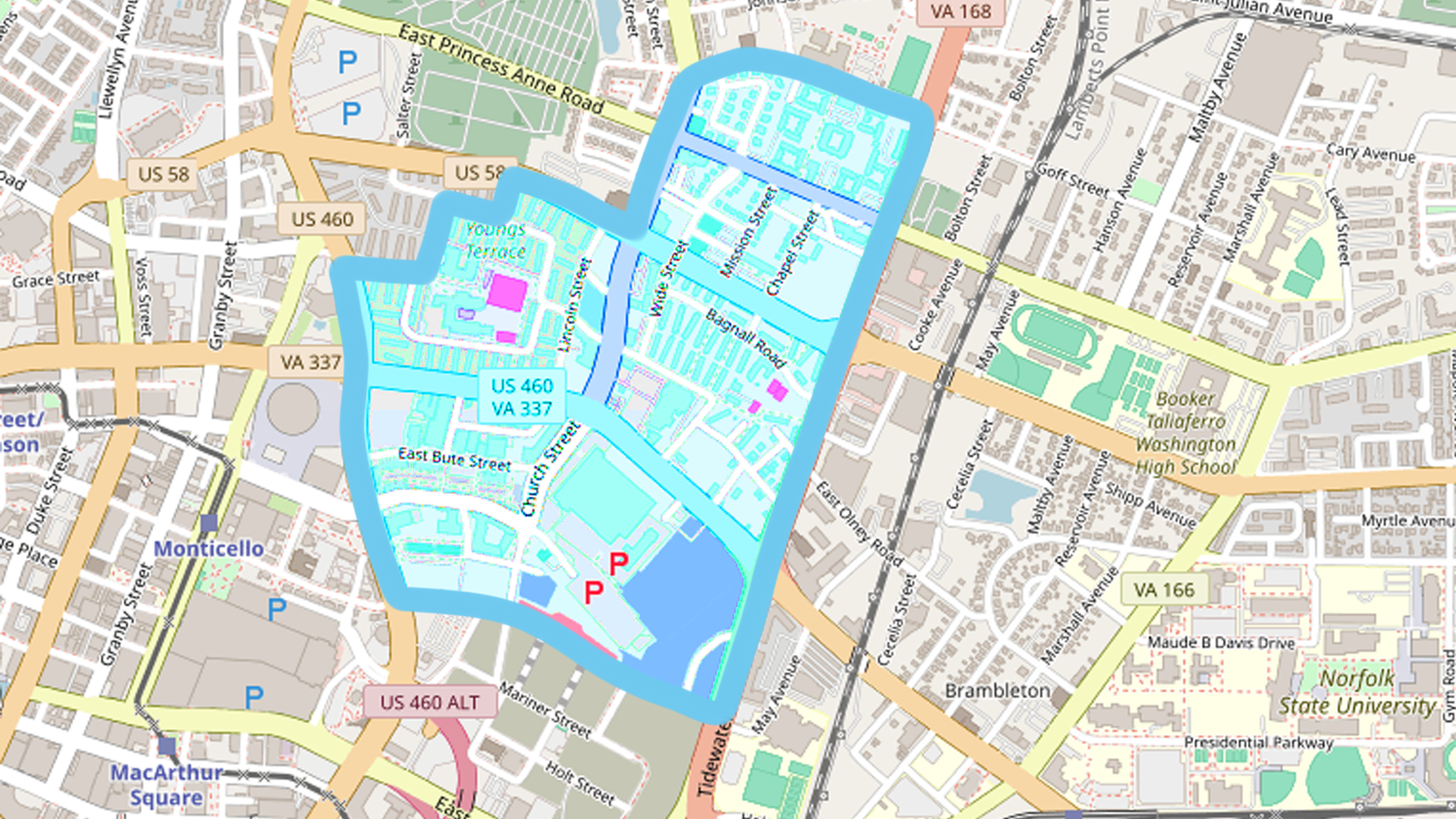
    The Institute for Justice, a non-profit public-interest law firm, is currently involved in a suit against Norfolk, VA for their use of Flock Cameras. Norfolk’s motion to dismiss the lawsuit was rejected by Chief Judge Davis. He wrote, “a reasonable person could believe that society’s expectations, as laid out by the Court in Carpenter [v United States], are being violated by the Norfolk Flock system….Accordingly, such ‘drag-net’ practices are considered a search.[13]” Carpenter v United States[14] ruled that “the government’s warrantless acquisition of Carpenter’s cell-site records violated his Fourth Amendment right against unlawful searches and seizure.”

    The Institute for Justice’s lawsuit[15] was in response to a Norfolk partnership with Flock, the goal of which, according to Police Chief Mark Talbot, is to create “a nice curtain of technology,” making it “difficult to drive anywhere of any distance without running into a camera somewhere.[13]” As ruled by the court in Chatrie v United States[16], geofencing requests for cellular data constitute and are unlawful warrantless searches.

    Truthout, an independent reporting agency, says that Flock Safety’s heat maps may also be considered geofences[17]. “Geofence” requests are when police departments ask technology companies for data from cellphones within a certain geographical boundary (a coordinate fence). Flock states they “categorically” can not track people, though their “heat map” feature lists all data from cameras tracking “vehicular fingerprints”[10][11] using captured location data from a certain time frame, and their cameras form geographical boundaries (coordinate fences).

    Sources

    [1] https://www.dhs.gov/science-and-technology/saver/automatic-license-plate-readers

    [2] https://stateofsurveillance.org/news/flock-safety-cancel-wave-30-cities-alpr-surveillance-contracts-2026/

    [3] https://www.cambridgema.gov/news/2025/12/statementontheflocksafetyalprcontracttermination

    [4] https://www.wbay.com/2026/04/23/oshkosh-council-rescinds-flock-camera-contract-after-false-statements/

    [5] https://www.flocksafety.com/blog/does-flock-enable-mass-surveillance

    [6] https://www.flocksafety.com/faq

    [7] https://medium.com/google-developers/frame-rate-as-creative-choice-fb5755909cd9

    [8] https://www.flocksafety.com/webinar/introducing-condor-live-and-recorded-video

    [9] https://www.investigatetv.com/2026/06/15/flock-says-its-cameras-dont-track-people-its-own-training-videos-say-otherwise/

    [10] https://www.flocksafety.com/trust/data-privacy

    [11] https://www.newsobserver.com/news/politics-government/article315990932.html

    [12] https://roadsigns.com/blogs/resources/how-many-flock-cameras-are-there

    [13] https://therecord.media/lawsuit-against-automatic-license-plate-reader-moves-forward

    [14] https://www.oyez.org/cases/2017/16-402

    [15]  https://ij.org/press-release/judge-rules-lawsuit-challenging-norfolks-use-of-flock-cameras-can-proceed/

    [16] https://www.supremecourt.gov/opinions/25pdf/25-112_0am4.pdf

    [17]  https://truthout.org/articles/scotus-ruling-could-be-bad-news-for-flock-but-wont-stop-mass-surveillance/

  • New Student Loan Payment Reduction Program

    New Student Loan Payment Reduction Program

    The Federal Student Aid office recently announced a temporary program that could save people with federal student loans hundreds of dollars per year.

    To qualify, borrowers must have Federal Direct student loans taken out after Jul. 1st, 2012. and need to set up automatic payments[1].

    Setting up auto-pay will grant eligible borrowers a 1% interest rate reduction on their loan.

    For a new graduate who used loans to pay for school, the average federal student loan debt is approximately $40,000 per EducationData. The current interest rate for federal student loans sits at 6.52%[2]. The monthly student loan payment using the provided figures would be $454.60. Qualifying borrowers who enroll in auto-pay would have their rate reduced to 5.52% which would reduce the monthly by $20.10 and the annual savings would be over $240.

    For graduate school loans, the average balance is approximately $95,000[3]. and the interest loan rate for Direct loans taken out since Jul. 1, 2026  is 8.07%. The average monthly savings is $50, totaling to approximately $600 in savings per year.

    The deadline to enroll is Sep. 30, 2026, and the benefits will be active until Jun. 30, 2028.The process to set up autopay may vary by loan servicer. For additional information and links to common loan servicers, access the Student Aid website here

    Sources

    [1] https://studentaid.gov/announcements-events/auto-pay-interest-rate-reduction 

    [2] https://educationdata.org/average-student-loan-interest-rate 

    [3] https://educationdata.org/student-loan-debt-statistics

  • Flock Safety Part 1: Imposing Surveillance

    Flock Safety Part 1: Imposing Surveillance

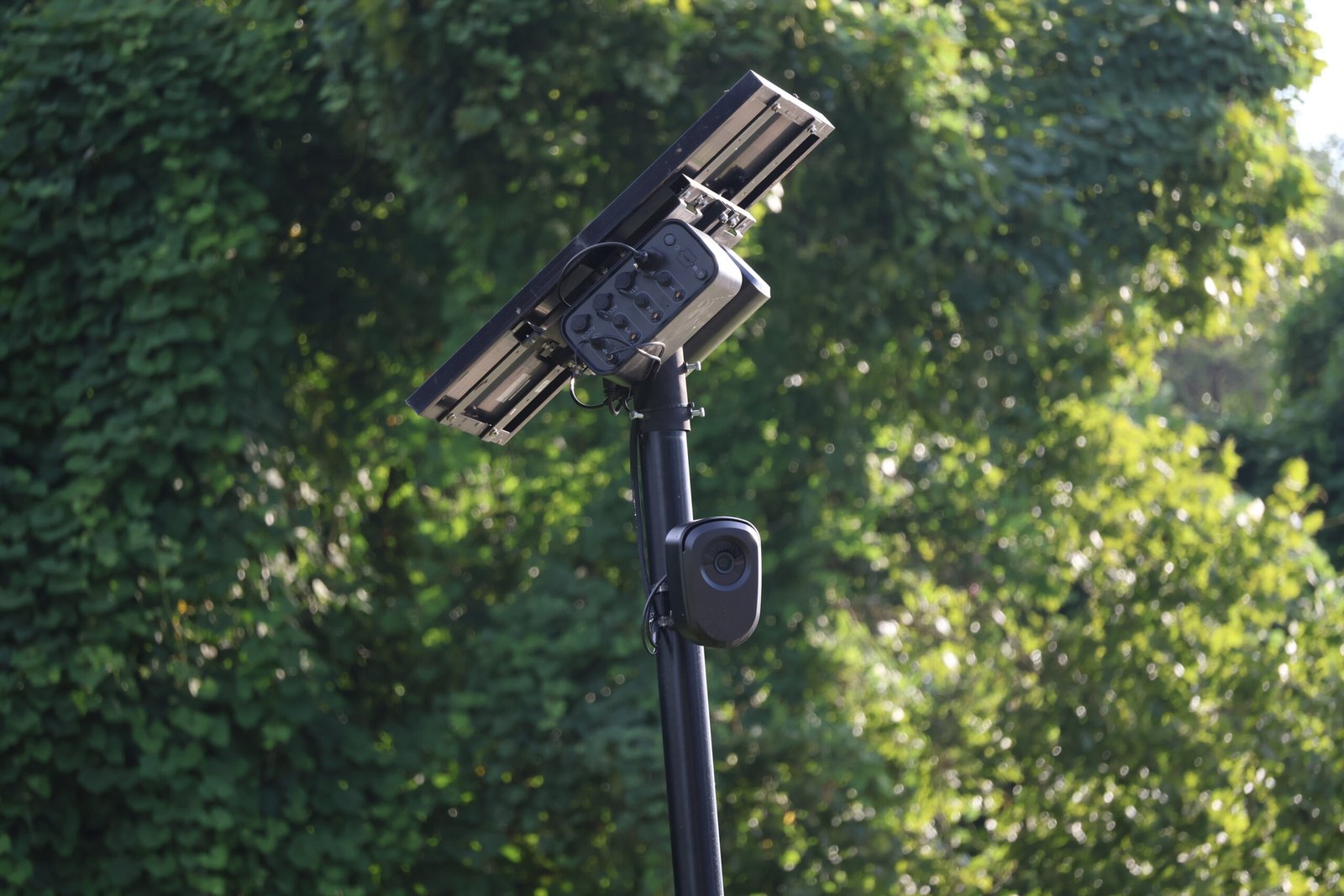
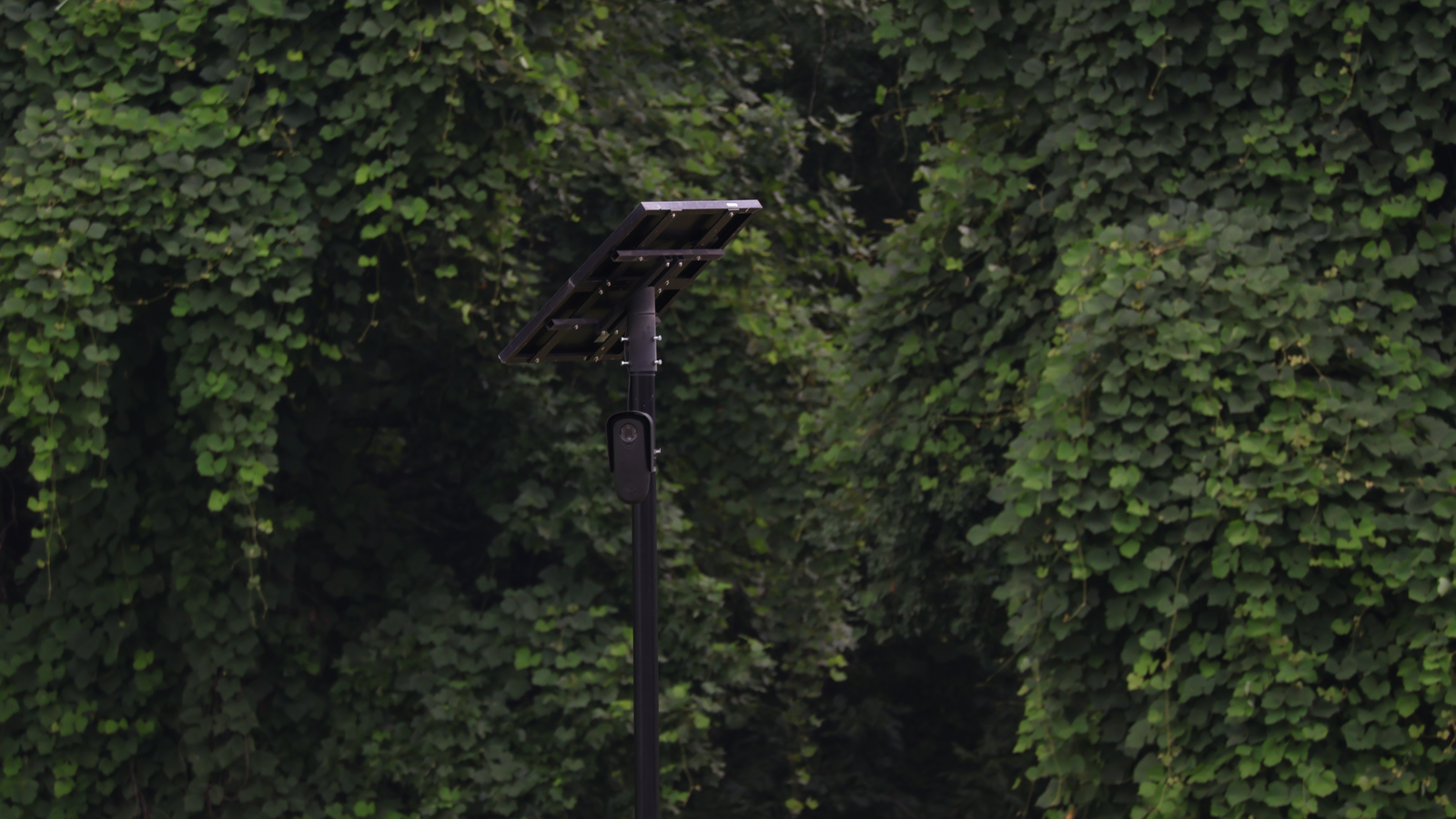
    Flock Safety ALPR Camera ( Brighter Tomorrow Media, File Photo)

    Flock Safety has been the source of recent controversy over their ALPR (Automatic License Plate Reading)[1] cameras. These cameras are being implemented by local and state governments across the country in a stated effort to reduce crime and better equip law enforcement officers in their searches for criminal suspects. Flock Safety offers a subscription-based service that, along with their physical cameras, includes optional accessibility by law enforcement, full onboarding support, automatic upgrades, and access to their app and services[2]. Though Flock Safety cameras are implemented in public and private spaces, they are still considered private property of Flock Safety. Flock Safety states that the data collected can only be accessed by the customer, unless the customer consents to sharing, in which case the data can be shared across Flock Safety’s entire network[3] or unless a customer partners with Flock Safety as a demo partner, their guidelines stating that Flock Safety may use the data for testing and training new algorithms[4]

    For those unfamiliar, ALPR cameras differ from currently-implemented traffic- and stoplight-cameras. Flock Safety’s new ALPR’s do not passively observe and wait to record data once a crime is reported, these newest surveillance tools record everything, constant surveillance 24 hours a day, 7 days a week, and store it for 30 days to be accessed at any time[5]. The days of passive observation are over, these tools herald incessant active surveillance.

    Flock Safety insists their cameras do not track people, vehicular data, identifying features, driver information, and that they are not used for mass surveillance or for use outside their defined purposes[5]. However, InvestigateTV has demonstrated the opposite, specifically that Flock Safety is tracking vehicular data, driver information, identifying features on vehicles, and that their Condor model tracks people specifically[6]. It has also been demonstrated that Flock Safety keeps records of places often visited by the same vehicles, known as “heat maps”. In contradiction to stating that they do not track identifying features, Flock Safety also states they have specific algorithms to enable searching their footage using “plain terms”. LPR cameras can use Vehicle FreeForm, a feature allowing police to search footage using plain terms such as ‘blue car spray-painted with yellow graffiti’[4]. This data is then stored for 30 days and compiled to create these “heat maps” of common places identifiable vehicles have traveled and visited.

    In addition, Flock Safety claims its data can only be accessed by the renters of the camera units[3], that they are security-minded, but InvestigateTV also found that the Verizon SIM cards transmitting video from the cameras were on a public network. Because the data was being transmitted on a public cellular network, the data was unencrypted and the transmissions could be intercepted by anyone with access to YouTube[7]. This could have been considered an oversight within Flock Safety’s quality control, not checking the privacy of the SIM cards they installed in tens of thousands of units then implemented for use. Additionally, despite Flock Safety’s claims to be privacy- and security-centric, their initial implementation of ALPRs did not include two-factor authentication for the first year after their first set of camera deployments in 2023[8][9].

    Flock Safety states on their FAQ page[10] that they will never sell, share, or access your data. One contractually protected exception is Dunwoody, GA, a partnered demo town for Flock to test their new tracking algorithms [11]. One Dunwoody resident has revealed the access log records, showing that Flock Safety team members accessed cameras located in a children’s gymnastics room[12] in their community center to market Flock Cameras to a prospective client. Following Dunwoody resident outrage, Flock Safety has issued an apology for not adhering to their policy of “radical transparency”. The camera access logs were found solely because of one citizen’s request. Flock Safety camera access logs are available to the public and may be obtained through a formal records request to the records branch of any local government partnering with Flock Safety. Information about Flock Safety implementation may also be obtained at town hall meetings or public hearings, or may be requested from local records keepers via a formal request pursuant to local laws.

    Some private citizens have expressed dissatisfaction with their local and state governments’ decisions to partner with Flock Safety, with Flock Safety’s methods for surveillance, and with Flock Safety’s sharing of data with law enforcement officers across the country[13]. These expressions of dissatisfaction vary from writing to a local representative to request the publicly available access logs[14], creating websites for awareness of camera locations and routes to avoid them, or more analog methods, including but not limited to vandalism of the cameras and lenses, whether by paint or by trash bag and duct tape.

    Some citizens have expressed dissatisfaction with the current network built by Flock Safety, saying it causes discomfort and is an invasion of privacy. Others are saying that Flock Safety is great security, like having a Big Brother watch over you.

    Sources

    [1] https://www.dhs.gov/science-and-technology/saver/automatic-license-plate-readers

    [2] https://www.flocksafety.com/pricing

    [3] https://www.flocksafety.com/blog/who-really-has-access-to-your-flock-data

    [4] https://www.flocksafety.com/blog/understanding-flocks-testing-and-development-program

    [5] https://www.flocksafety.com/trust/data-privacy

    [6] https://www.investigatetv.com/2026/06/15/flock-says-its-cameras-dont-track-people-its-own-training-videos-say-otherwise/

    [7] https://youtu.be/uB0gr7Fh6lY?si=R7ycBExqL2CteY8D

    [8] https://www.globenewswire.com/news-release/2024/12/19/3000204/0/en/Flock-Safety-Announces-Full-Compliance-with-FBI-s-Newly-Released-Criminal-Justice-Information-Services-CJIS-Policy-Update.html

    [9] https://csrc.nist.gov/News/2025/mfa-for-cjis-nist-ir-8523

    [10] https://www.flocksafety.com/blog/understanding-flocks-testing-and-development-program

    [11] https://www.gadgetreview.com/flock-safety-employees-watched-kids-gymnastics-room-to-pitch-surveillance-tech

    [12] https://jasonhunyar.substack.com/p/why-are-flock-employees-watching-720

    [13] https://youtu.be/S34n0_TBFgo?si=K9sPOxJmZp0q6Jne

    [14] https://youtu.be/XP-Nk4xRtBs?is=9XuzOiXFWOEuSck3

  • Our Mission

    Our Mission

    Faith in journalism has eroded over time. Faith that had been earned in a time in which sensationalists were decried for promoting falsities. Faith that must be re-earned by diligent and honest journalists. 

    Brighter Tomorrow was founded to address the growing distrust felt by the public towards legacy media outlets and public institutions. Distrust that was created by years of polarizing content and sensationalist journalism from news organizations that have worked continuously to keep audiences divided. Since a house divided cannot stand, we must work tirelessly to report on current events with an unbiased voice and a steadfast dedication to consistency. 

    Our mission is to improve information availability to the public and to restore faith in journalism by presenting news in the most honest and direct way possible for us. We aim to educate the public by providing free resources on both our site and on social media covering topics ranging from world events to finance to local stories.

    As part of our commitment to honest reporting and transparency, we ask that you as a reader reach out to us with any concerns you have. Let us know about stories you want us to cover or any information that you believe is missing from or incorrect in our articles. We will work our hardest to correct and create a hub of up-to-date and accurate information.